


Suction capacity is not a fixed value, but rather the result of a system. Airflow, vacuum pressure, and energy consumption are directly influenced by the condition of the filter, its geometry, and process conditions. As the load increases, these parameters shift—often without being noticed. Therefore, what matters is not the maximum capacity listed in the data sheet, but rather consistent performance during operation.
Common misconceptions
Suction performance is often defined using fixed metrics: kW, vacuum pressure, or air volume. These values suggest comparability and stability. In practice, however, performance and effectiveness result from the interaction of multiple factors—and change during operation. The following misconceptions illustrate why suction performance often behaves differently than expected in everyday use.
How Suction Power Is Actually Generated
Suction power is the result of interaction. Not of a single component.
Suction power is often attributed to individual factors: the motor, the vacuum pressure, or the air volume. In practice, however, it arises only from the interaction of these factors—and the resistance the system exerts against them.
The basis is always an airflow. The blower generates vacuum pressure that sets the air in motion. This air transports the material—not the “suction” alone. Therefore, what matters is not only how strong the vacuum pressure is, but how much air actually flows through the system.
Both variables are directly interrelated:
- High vacuum pressure with a low air volume results in localized effects but low conveying capacity.
- A high air volume with low vacuum pressure moves a lot of air, but little heavy material.
Only the right balance enables stable pickup and conveyance.
This balance is constantly affected during operation:
- Filter loading increases resistance, hose lengths and bends slow the flow, and leaks alter the airflow. The originally designed performance shifts—often gradually.
Suction capacity is therefore not a fixed value, but a state. It arises from the interaction of the blower, filter, and geometry—and changes with every alteration in the system. It is not the vacuum pressure that matters. Rather, it is how air is guided through the system.
Factors affecting operations
The specified suction capacity is only the starting point. In actual operation, numerous factors come into play that alter the balance between air volume, vacuum pressure, and flow rate—often gradually and unnoticed. What matters most is how the system handles these factors.
Practice & Applications
Practical experience shows just how stable suction power really is. Suction power is not proven under ideal conditions, but in actual operation. The key factor is whether the air volume, vacuum pressure, and flow rate remain in balance even under real-world conditions—such as when the system is loaded, the geometry changes, or the materials vary. The following examples illustrate typical situations that determine whether a system performs effectively or gradually loses its effectiveness.
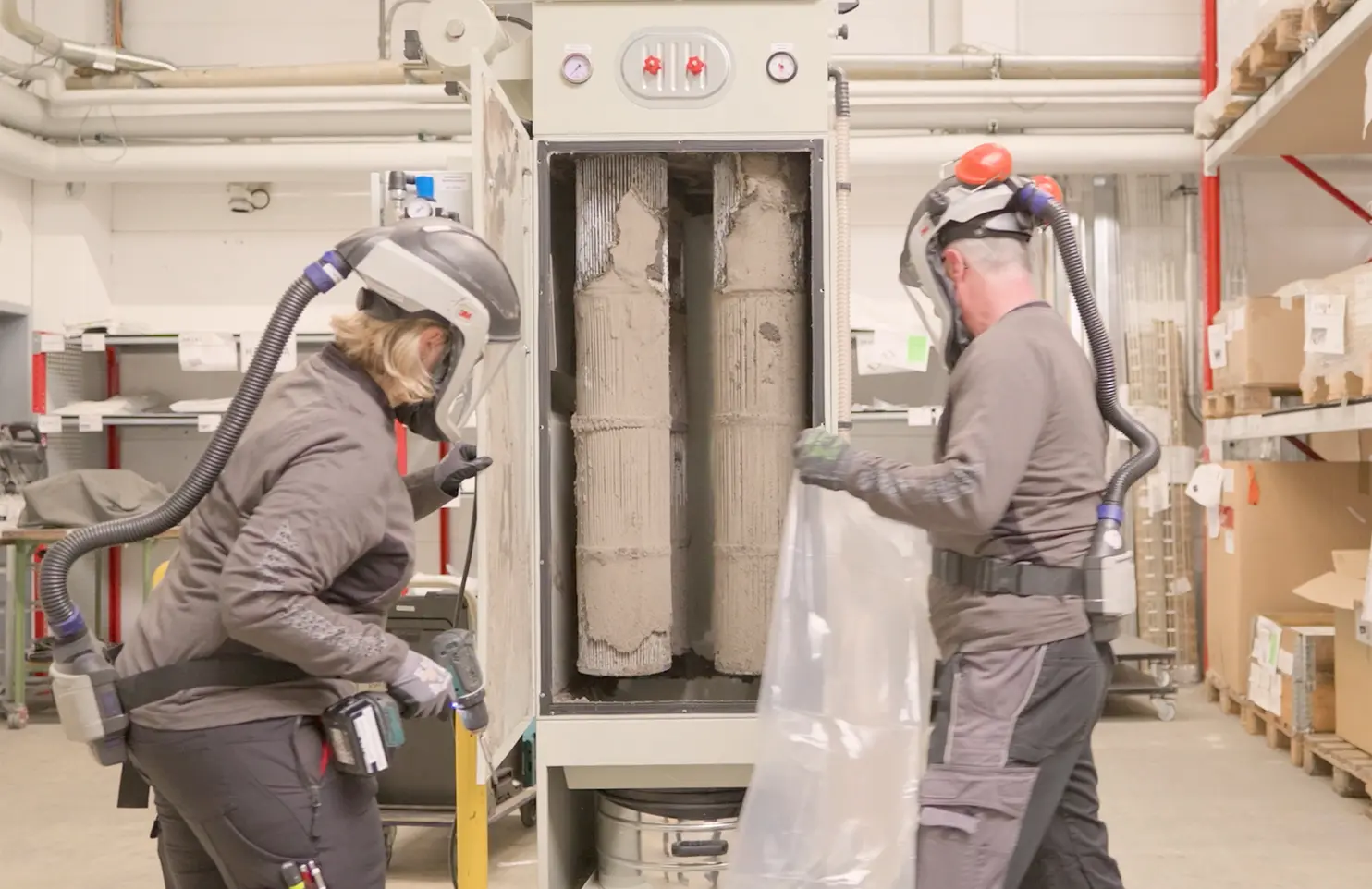
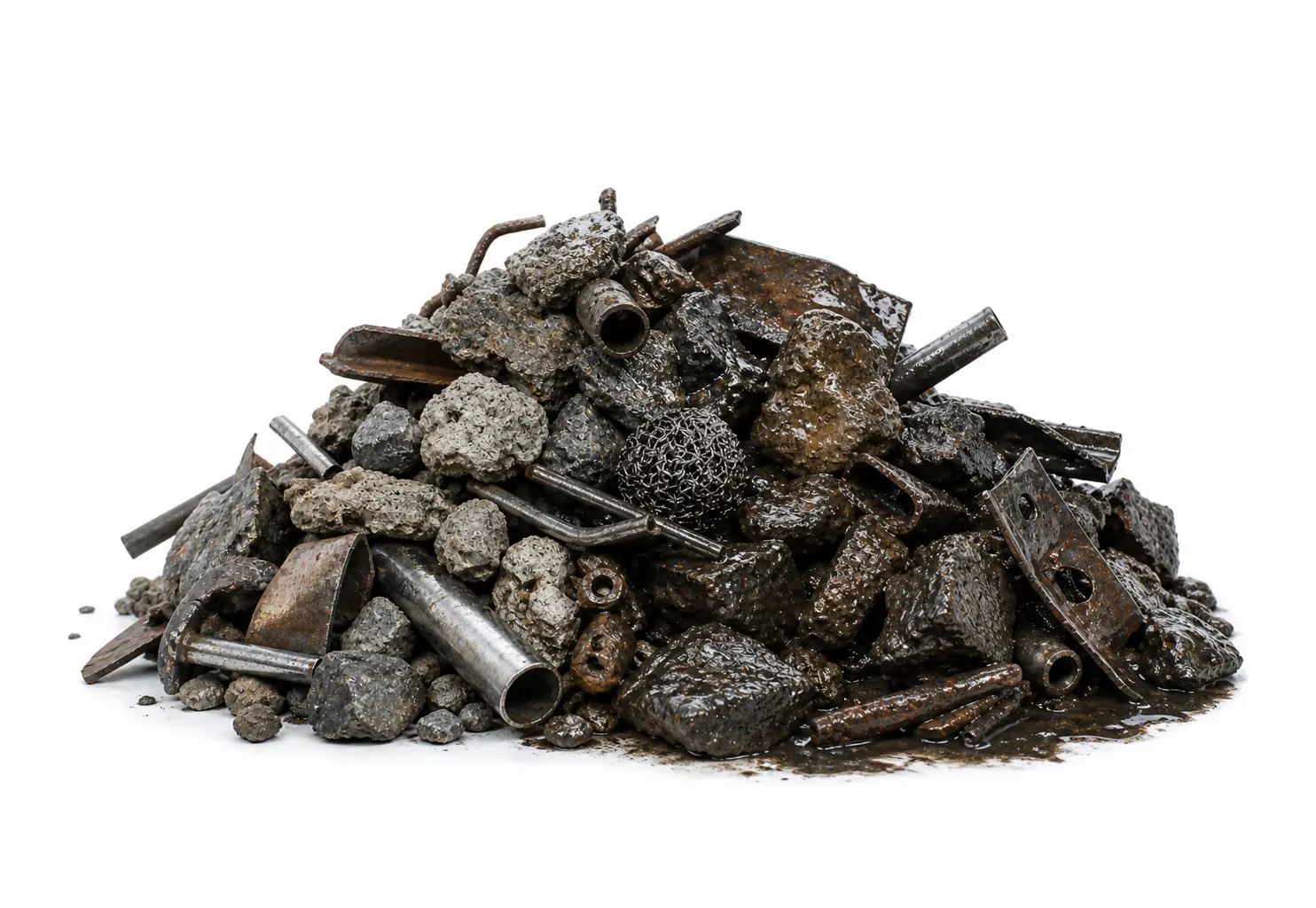

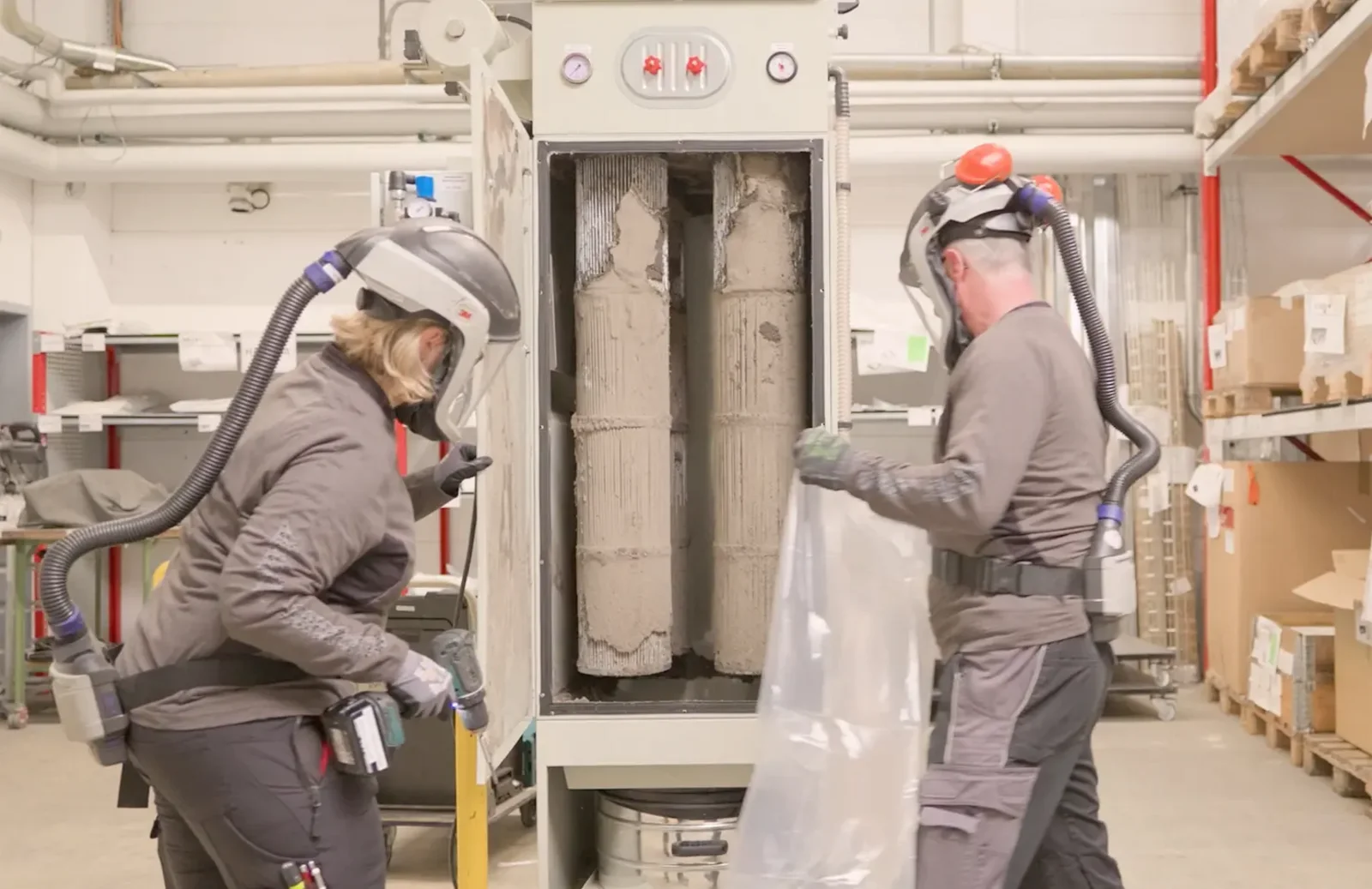
A system starts with high suction power but gradually loses effectiveness during operation. This is usually caused by increasing pressure loss due to clogged filters, which reduces the air flow.
In practice, it becomes apparent that without coordinated cleaning, the balance in the system shifts. Performance does not drop suddenly—it decreases gradually until processes can no longer function stably.
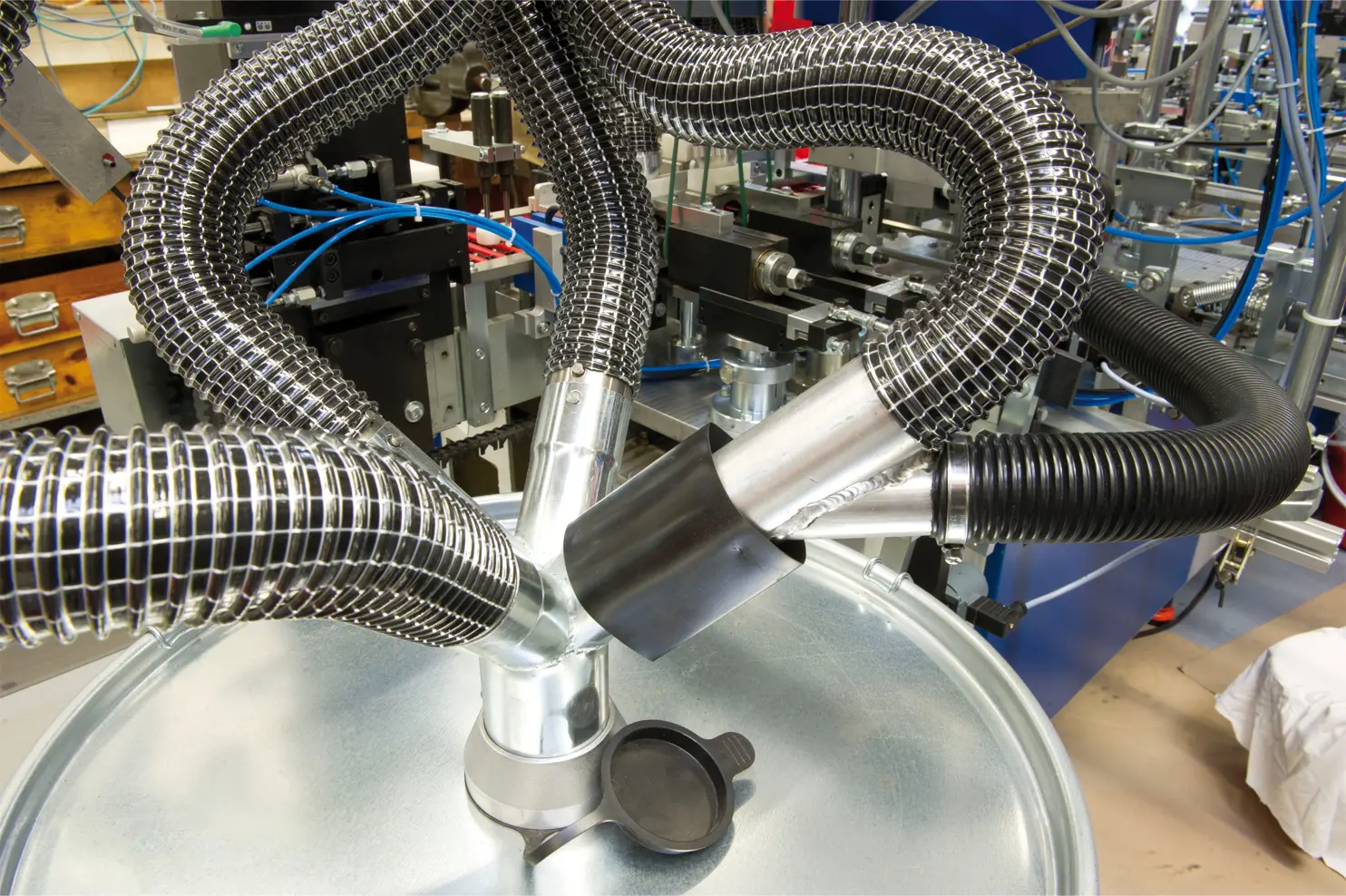
Suction units are often used in flexible configurations—with varying hose lengths and geometries. With every additional meter, flow losses increase, and the effective power at the point of use decreases.
Practical solutions already account for these losses in the design phase. What matters is not the power at the device, but the effect at the end of the hose.
Heavy or damp materials require a higher air velocity to be transported reliably. Systems with high airflow but insufficient vacuum pressure often fail to achieve this velocity.
In practice, it is clear that the right balance is crucial—not just maximum airflow or maximum vacuum pressure alone.
Changes in materials, load peaks, or varying operating conditions cause the demands on the system to change. A system optimized for a single operating condition quickly loses stability.
Proven solutions rely on a robust design that works even when conditions change—not just under ideal operating conditions.
What matters
Assessing suction performance goes beyond mere metrics. What really matters is how consistently the system operates under real-world conditions—with loads, varying geometries, and changing demands. In practice, four factors have proven to be critical:
Evaluate suction performance together.
Suction power cannot be evaluated in isolation.
The specific performance required in a given application depends on the interplay of materials, airflow, filter condition, and actual operating conditions. RUWAC helps you evaluate suction performance in the context of your process and develop solutions that not only look good on paper but also perform reliably in operation.
Frequently Asked Questions (FAQ)
Specifications are based on defined conditions. During operation, additional factors such as filter clogging, hose lengths, or leaks come into play. These often significantly affect actual performance.
Typical signs include insufficient material intake, increasing buildup of debris, or the need to rework the area multiple times. In many cases, the issue is not a lack of power, but rather the absence of the proper balance between airflow and vacuum pressure.
Greater vacuum pressure is required when the material is heavy, damp, or sticky. For light, free-flowing materials, however, a higher air flow rate is often crucial. Both factors must be appropriate for the application.
In most cases, resistance in the system increases—due to filter clogging, contamination, or changes in flow conditions. Performance gradually declines without being immediately noticeable.
What matters most is always the effect at the point of use. Losses within the system can result in a high-performance device ultimately having only a minimal effective impact.