


Thinking in terms of processes
Fabric handling
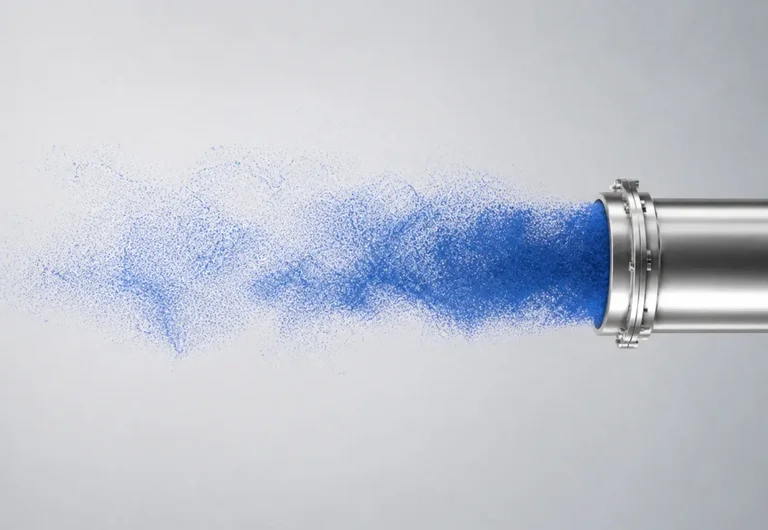
Material flow management refers to the controlled handling of materials during a process. What matters is not only that materials are tracked, but also how they move, change, and remain within the system. Where material flow management is lacking, losses, contamination, or unstable processes can occur—often gradually and unnoticed.
Fabrics behave.
They aren't just "lying around."
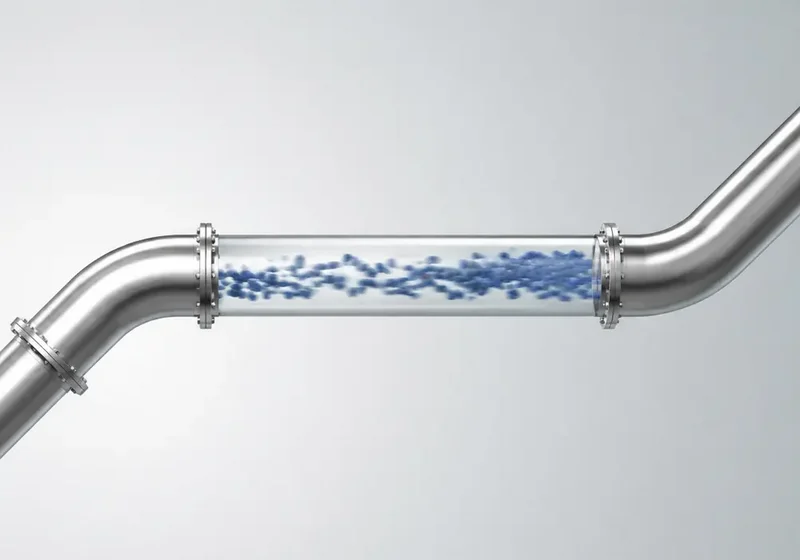
Powders, dust, and media change their state during the process. They are stirred up, separated, recirculated, or carried away. Material handling involves deliberately controlling these movements rather than leaving them to chance.

Common breaks in the fabric grain
- Material leaves the actual process area
- Material accumulates where it does not belong
- Material is remobilized (cleaning, changeover, downtime)
- Material is lost or contaminates other areas
Why fabric handling is a cross-cutting issue.
Fabric handling isn't just about extraction.
It affects:
- Product quality
- Workplace safety
- Cleaning effort
- Material traceability
- Stability during continuous operation
Real-world examples
Where fabric handling is often underestimated
Material flow is often treated as a secondary concern. In practice, however, it determines whether processes remain stable—or gradually slip out of control.
Related Topics
Fabric selection rarely stands alone.
Depending on the process, it touches on related issues.
- Powder recovery
- Multi-component systems
- Dust explosion protection
- Hazardous dusts
- GasEx (for volatile media)
- In-process cleaning
- Continuous operation & design
- Hybrid risks