

Chemistry
Stable. Safe. Controllable.
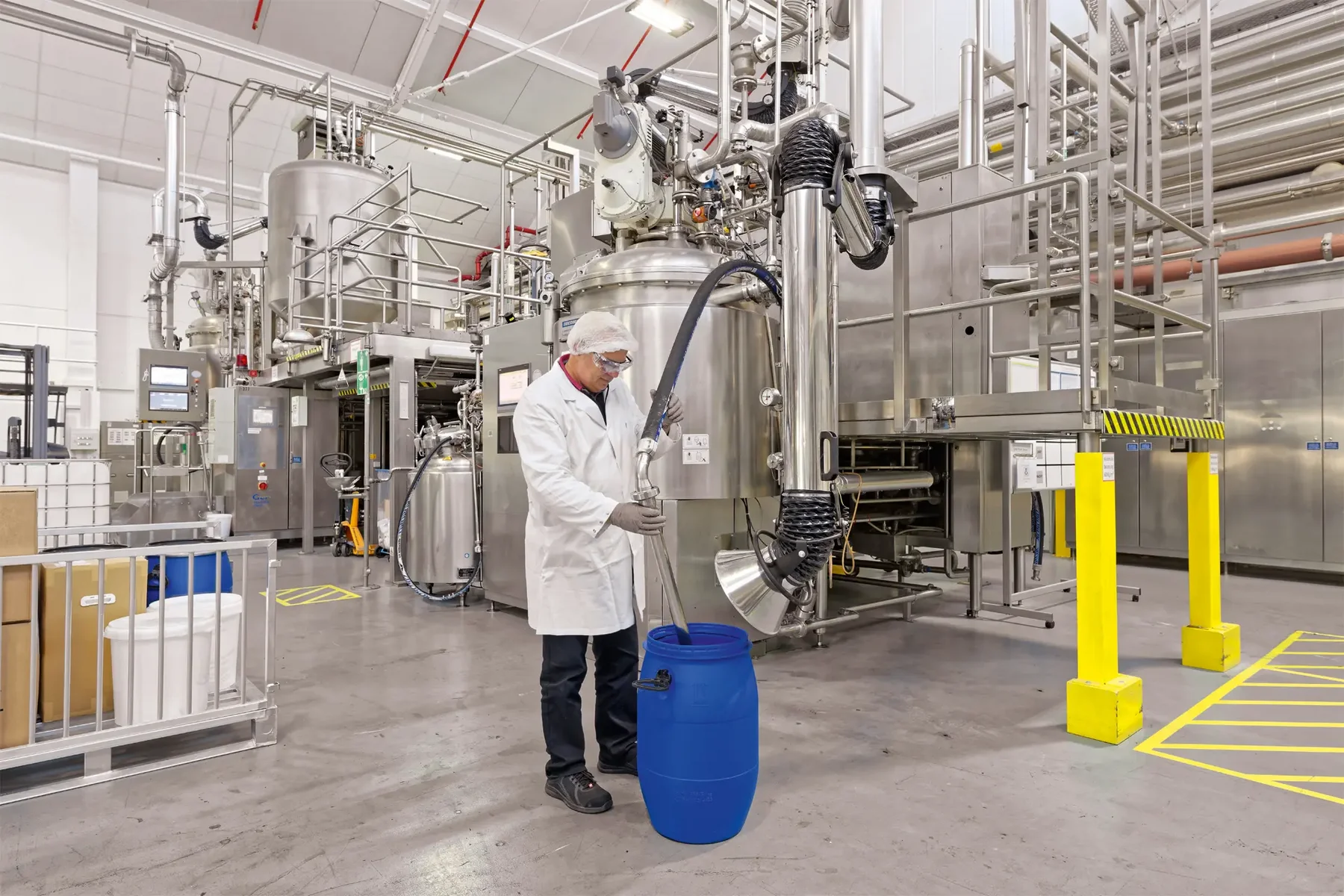
In chemical production, emissions are generated during setup changes, cleaning, and material changes. RUWAC extraction solutions capture material flows directly within the process. This ensures safe work areas, consistent plant availability, and controlled production processes—even when handling challenging materials and under high loads.
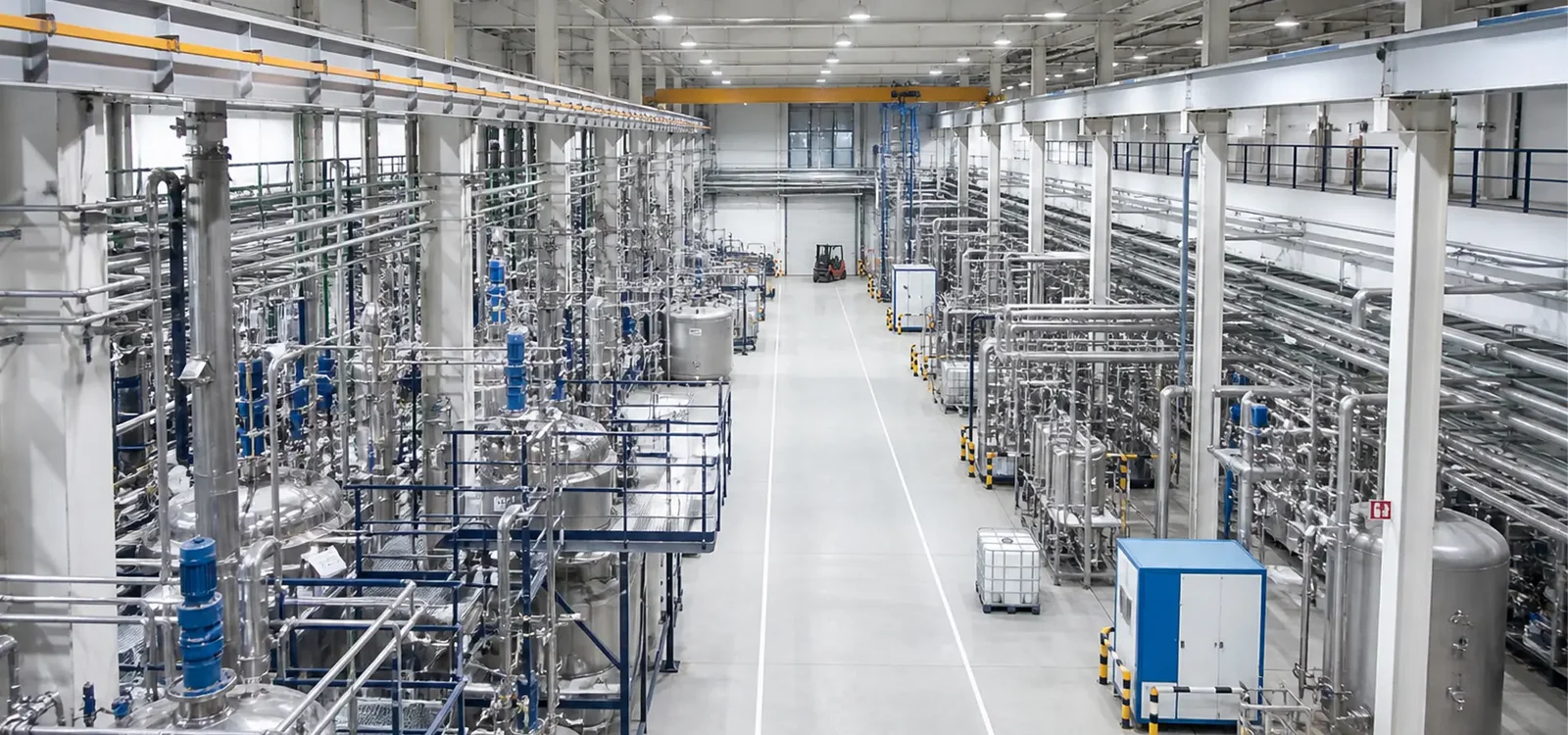
Chemical production processes are characterized by complex material flows, changing formulations, and high standards for safety and reproducibility. Dust, powder, and byproducts are generated not only during clearly defined process steps but also frequently during changeovers, filling, cleaning, or maintenance of equipment.
Many of these substances are hazardous to health, reactive, or explosive. At the same time, they have an abrasive effect on equipment and accumulate in areas where processes are supposed to run smoothly. The challenge lies in reliably controlling emissions without slowing down operations or creating additional risks.
In the chemical industry, therefore, it is not just extraction capacity that matters, but the ability to capture substances in a controlled manner, guide them safely, and maintain process stability over the long term—under real-world conditions, during ongoing operations, and over extended periods.
Reliable processes. Even when conditions change.
Chemical production processes follow clear guidelines—but everyday operations do not. Formula changes, campaign operations, changeovers, and manual interventions are part of the reality. It is precisely during these moments that emissions, residues, and cleaning tasks arise, which can disrupt the production cycle.
RUWAC extraction solutions are designed to make these dynamics manageable. Material flows are captured close to the process, safely guided, and reliably separated—regardless of material properties, throughput rates, or changeover frequency. This ensures that systems remain available, operations stay stable, and production targets are achievable, even under changing conditions.
Process reliability in everyday operations
Extraction technology that works not only on paper but also in actual operation—during changeovers, replacements, and manual interventions.
Minimized downtime
Fast cleaning, controlled fabric guidance, and a maintenance-friendly design keep systems running smoothly.
Adaptable rather than rigid
Modular systems can be adapted to new materials, processes, and operational requirements—without the need for new investments.
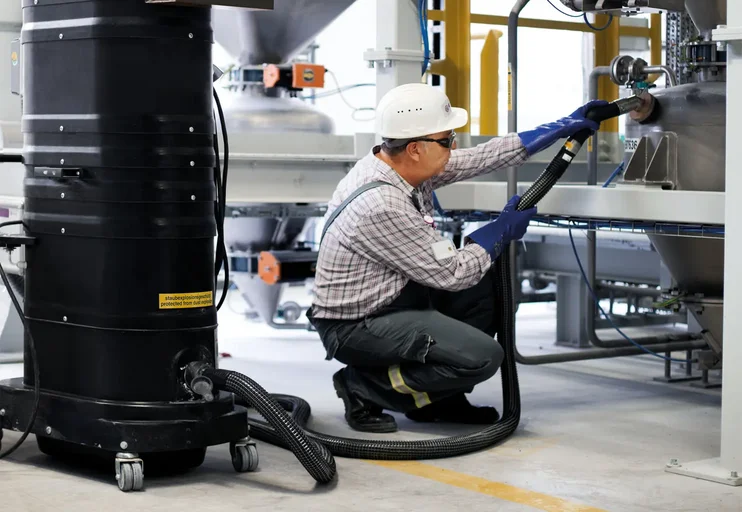
Security that is an integral part of the process.
In the chemical industry, safety is not an afterthought but a prerequisite. Dust, solids, and gases must be managed in a controlled manner—reliably, reproducibly, and in compliance with standards. What matters most is not any single safety feature, but the interaction of all components in the process.
RUWAC integrates safety requirements directly into the extraction and cleaning solution. Depending on the application, suitable filter technologies, conductive materials, and design variants for dust- and gas-EX-hazardous areas are used. Emissions remain within the system, exposure is reduced, and risks are permanently controlled—without disrupting the production flow.
Controlled fabric feed
Dust and solids are captured right where they are generated—and remain securely within the system.
Design based on actual requirements
Dust classes, hazardous areas, and materials are considered on a case-by-case basis, not in a one-size-fits-all manner.
Standards integrated, not imposed
Security is an integral part of the system architecture—from design through to day-to-day operations.
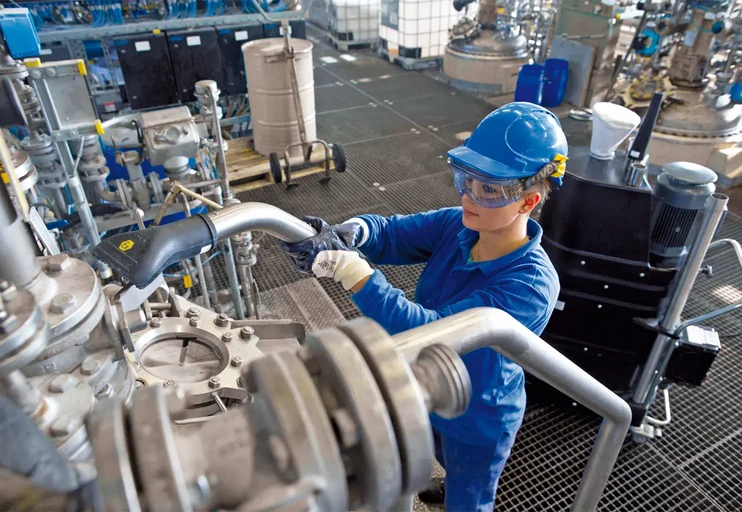
Security. From the ground up.
Chemical processes place high demands on the safe handling of dust, solids, and reactive substances. Risks arise not only during malfunctions but also during normal operation—particularly during changeovers, reconfigurations, and manual interventions. RUWAC therefore considers safety to be an integral part of system design. Depending on the application, suitable filter technologies, conductive materials, and design variants for dust-EX and gas-EX hazardous areas are used. Emissions remain contained within the system, exposure is reduced, and processes are stabilized over the long term. Safety is not an add-on, but an integral part of every solution—from standard-compliant design through daily operation to long-term investment security.

Design tailored to the application
Systems are designed based on actual material properties, dust classes, and hazardous areas—not on general assumptions.

Controlled emission management
Dust and solids are captured at the source and securely contained within the system.
Standards incorporated
ATEX, dust classes, and other requirements are integral to the system architecture—from the very beginning.
When concepts become part of everyday life.
Chemical processes are planned—everyday operations are not. The following examples show how safety and cleaning protocols work reliably even during changeovers, filling operations, and manual interventions.
Work cleanly without interrupting the process.
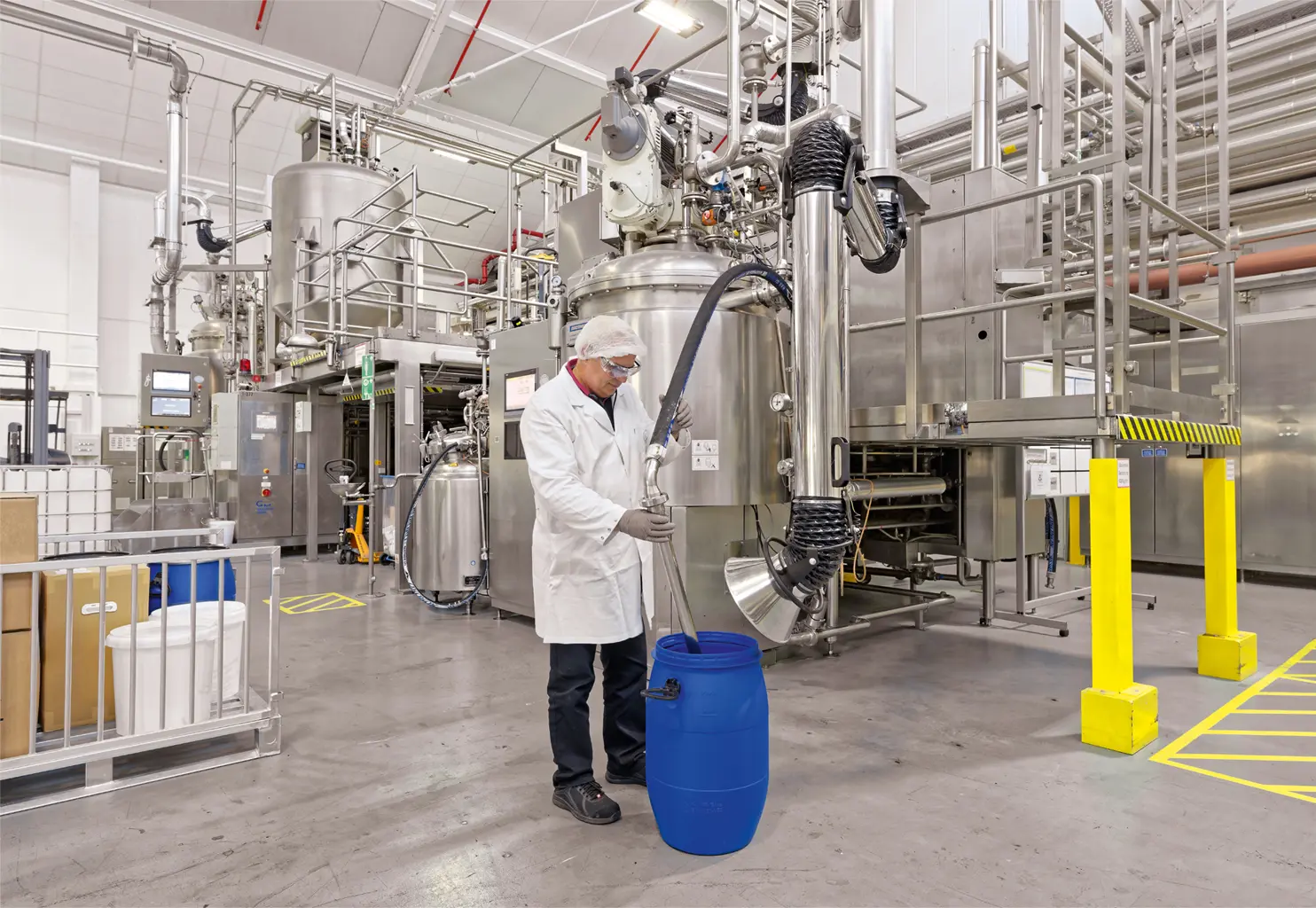
Weighing and dosing powdered ingredients for cosmetic products can generate dust. This dust must not be allowed to escape into the surrounding area or disrupt the production process. At L’Oréal’s production facilities, the mixing areas are served by centralized extraction systems that target each workstation. This ensures that ingredients stay where they belong, work areas remain clean, and the mixing process remains stable—even with parallel production lines and high throughput.
Ensuring safety before risks arise.
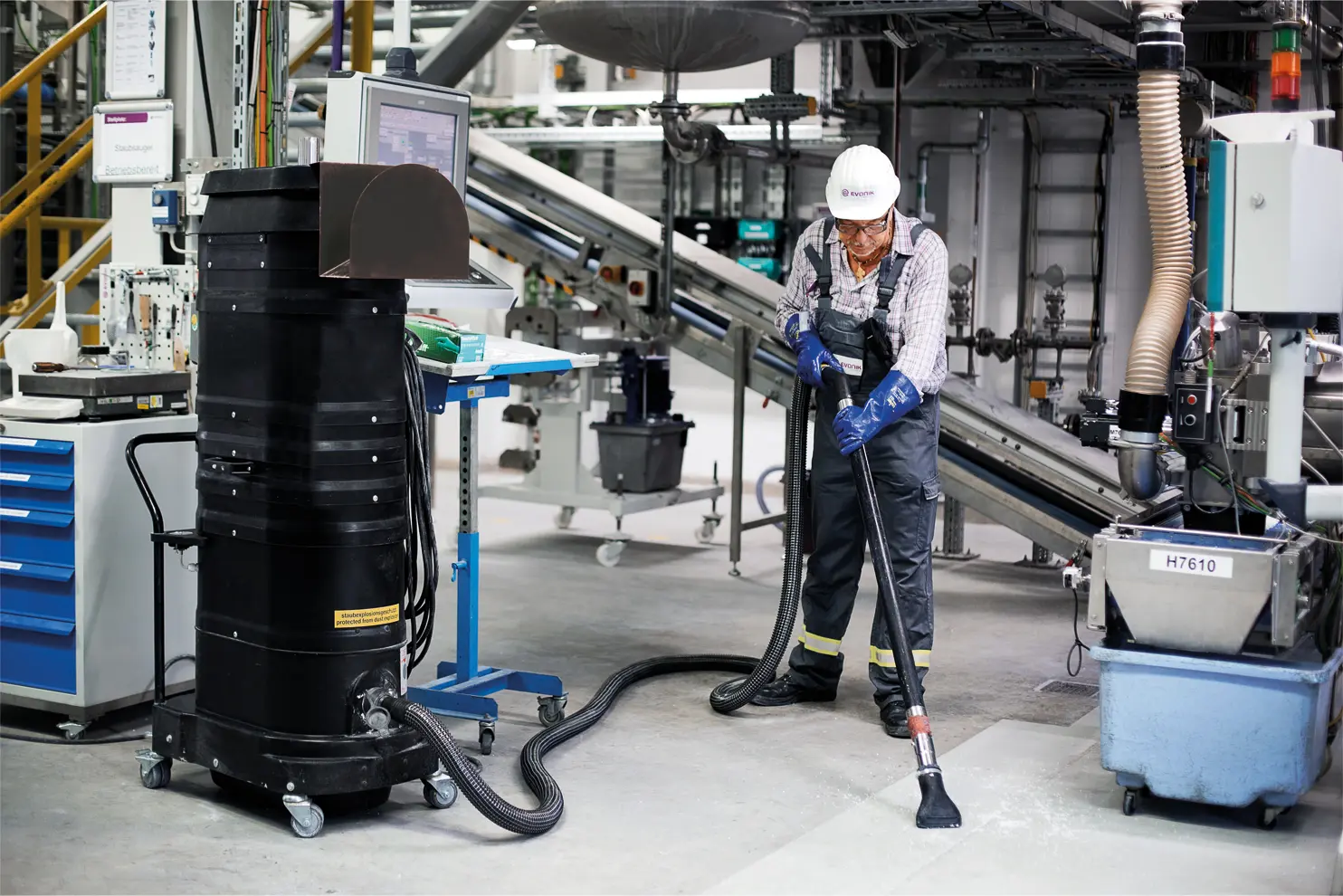
In catalyst production, dust—some of which is explosive—is generated during transfer and cleaning operations. These residues must be removed immediately to prevent risks to people and equipment. Evonik uses mobile extraction solutions that can be flexibly deployed at various locations. Accessories and low-noise design variants make it possible to perform cleaning tasks safely and efficiently directly in the production environment—without unnecessarily disrupting ongoing operations.
Secure the material before it goes to waste.
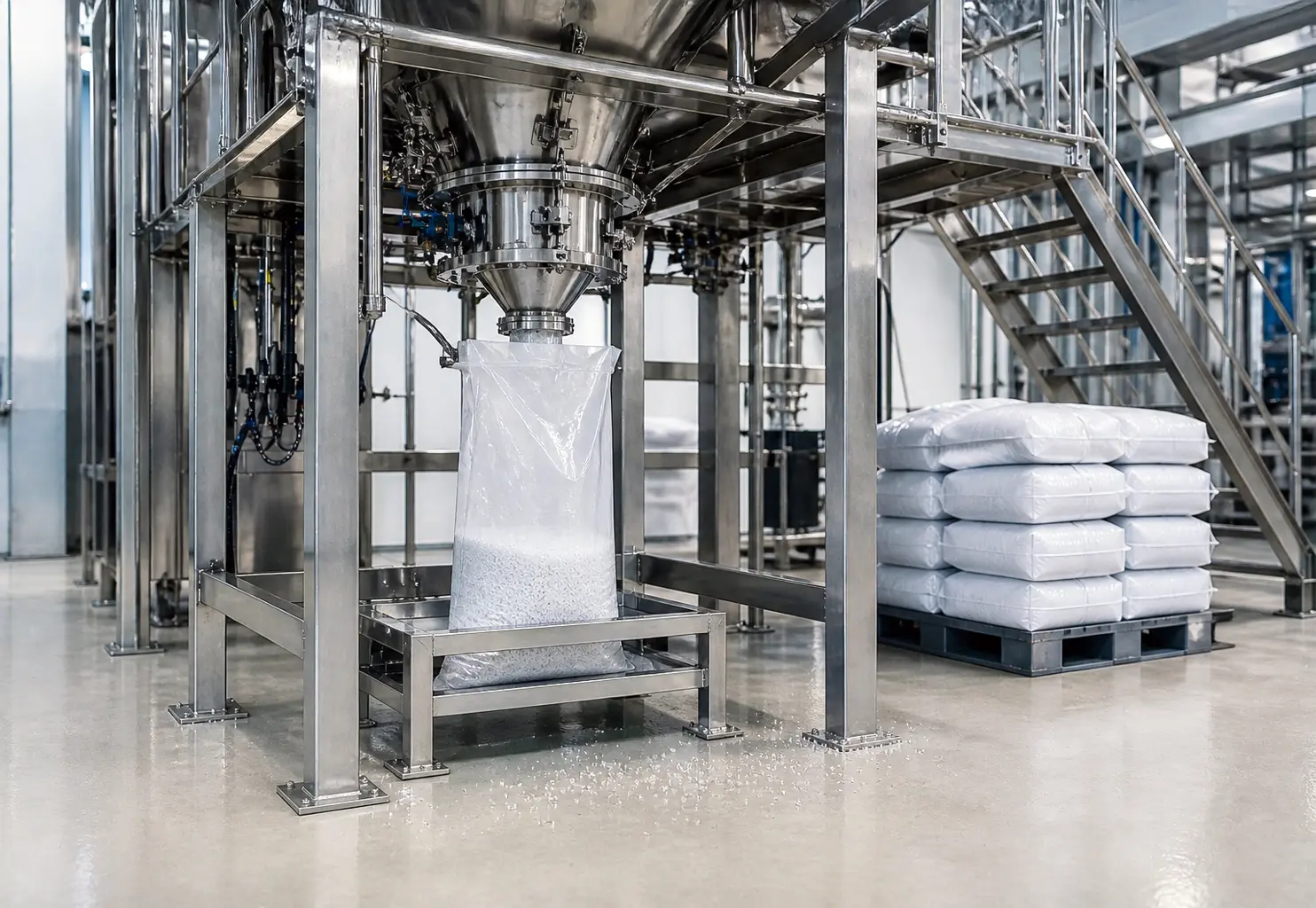
When bagging large quantities of polycarbonate granules, it is inevitable that some material will fall outside the container. These small, hard particles not only pose a safety hazard but also result in material loss. By installing a collection system upstream of the filling line, the granules are captured, vacuumed up, and returned to the process. This prevents waste, increases yield, and keeps the work area safe.
Controlling emissions, even when they are invisible.
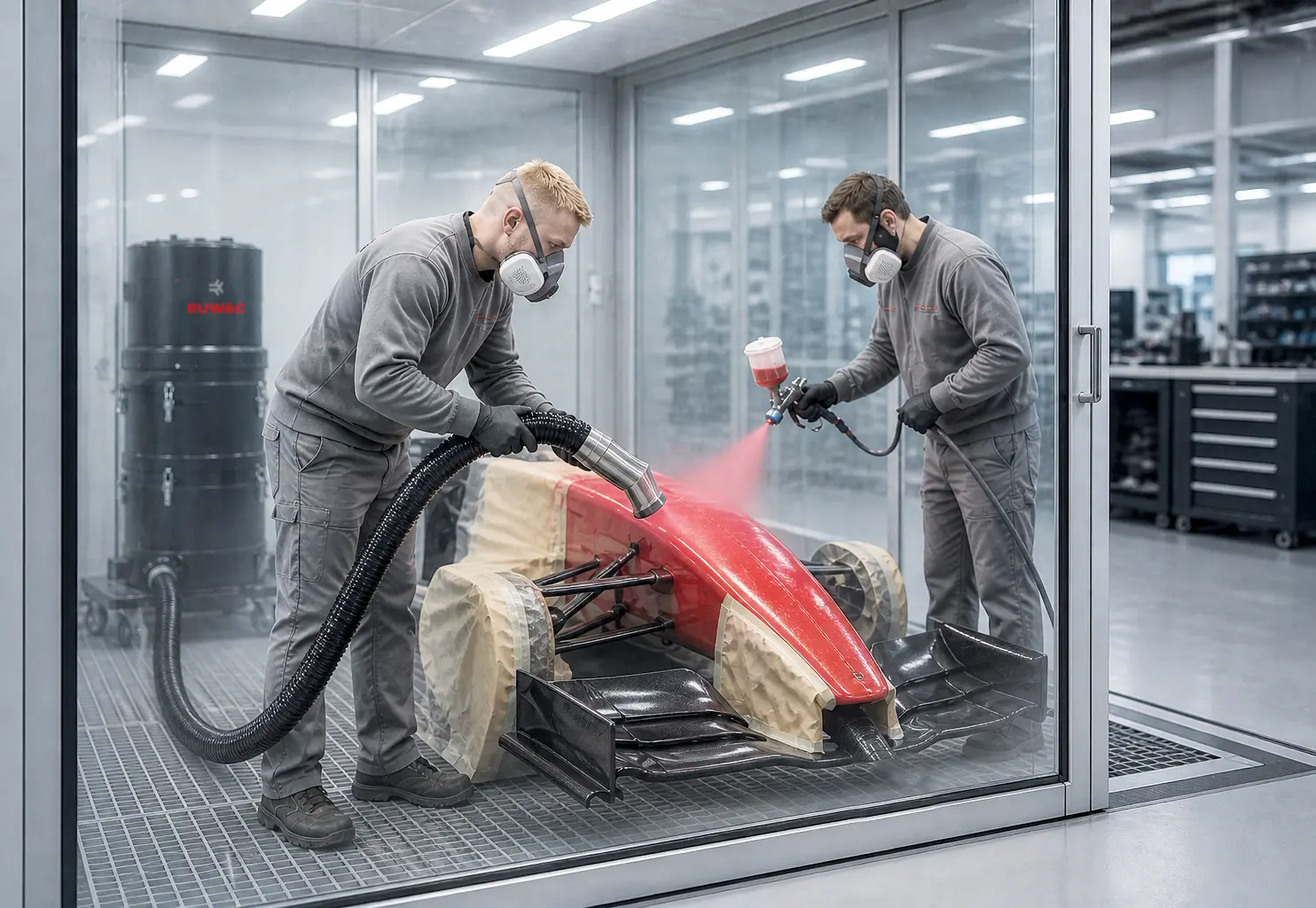
Manual paint application generates fine paint mist and pigment particles that can settle on equipment and in the surrounding area. To capture these emissions in a controlled manner, multi-stage extraction solutions are used: coarser particles are separated early on, while finer particles are reliably filtered. Additional safety stages ensure that gaseous components are also safely captured. The result is clean workstations, protected equipment, and reproducible conditions in the painting process.
The right RUWAC systems for your processes.
Designed for complex material flows—and easily integrated into chemical processes.
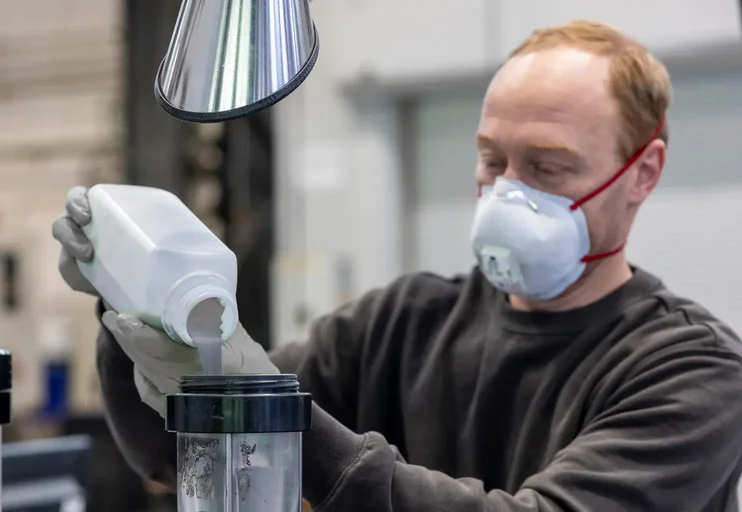
Filling, transferring, and dosing of solids
Powdered raw materials, additives, or intermediate products must be handled with care to prevent emissions, cross-contamination, and material loss. Mobile or stationary systems capture dust directly at the source and keep materials securely within the process.
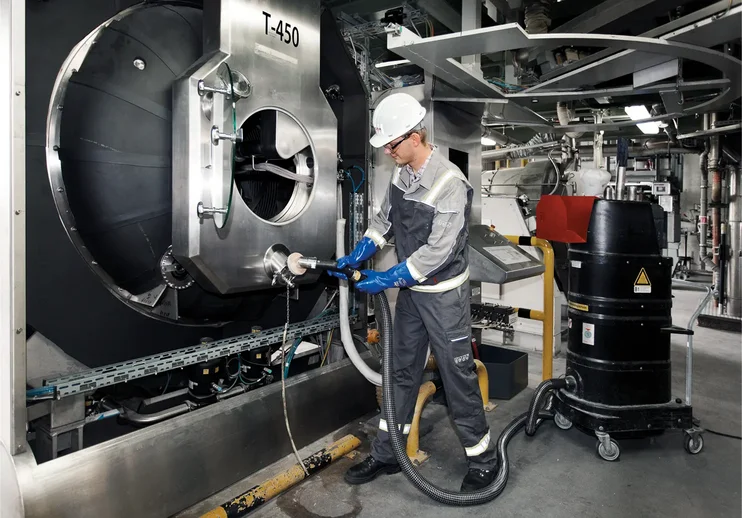
Cleaning during product and formula changes
When changing over production lines, residues are generated that must be reliably removed without damaging sensitive surfaces or processes. Flexible extraction solutions enable fast, safe cleaning between batches.
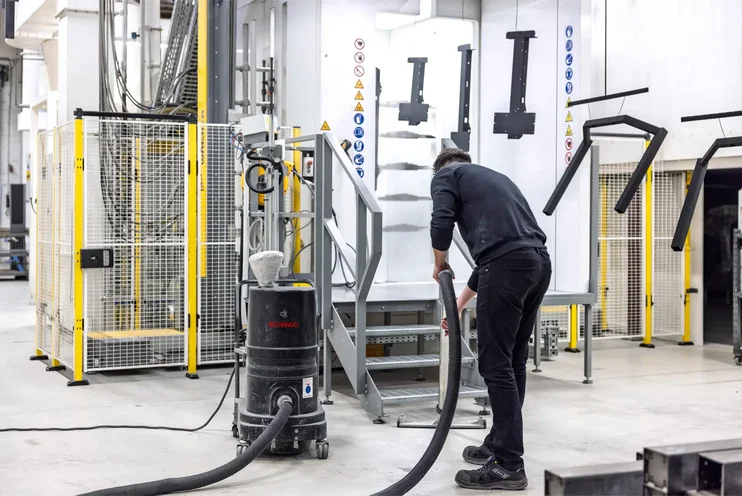
Collection of explosive or hazardous dusts
Many chemical solids are reactive or explosive under certain conditions. This calls for systems that control emissions and reliably minimize risks—even during normal operation.
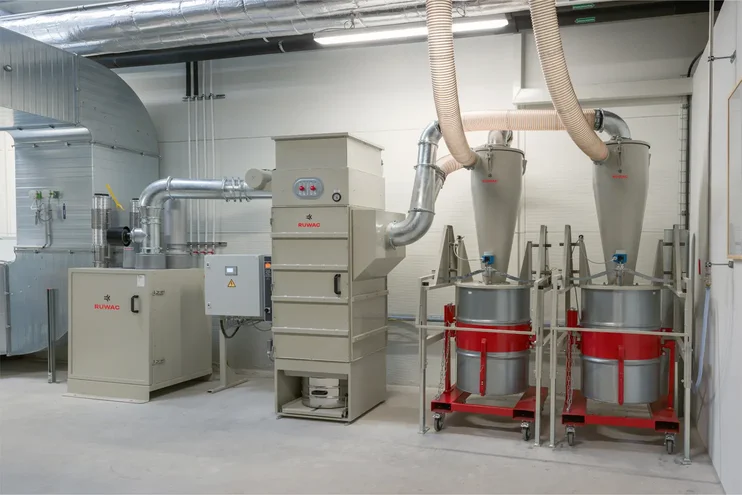
Centralized exhaust system in production and mixing areas
In areas with multiple sources of dust or high throughput, centralized solutions ensure consistent suction power and streamlined processes. Dust is collected, channeled, and safely captured—regardless of the specific workstation.
Frequently Asked Questions.
Because emissions often occur during ongoing operations, cleaning must be integrated into the process—without downtime and without additional risks.
Through modular systems that can be adapted to different materials, dust classes, and throughput rates—without requiring a complete redesign.
Ja. Je nach Anwendung stehen Ausführungen für Staub-Ex- und Gas-Ex-Bereiche zur Verfügung, ausgelegt nach den relevanten Richtlinien.
Material flows are routed through a closed system. Appropriate filtration technologies and conductive materials ensure controlled separation.
Yes. RUWAC solutions are designed for heavy loads and continuous use—with a maintenance-friendly design and consistent performance.
Let’s talk about your processes.
Whether it’s filling, changeovers, cleaning, or integrated extraction solutions during operation: The right system solution depends on the material, the process, and safety requirements. We help you control emissions, protect equipment, and ensure process stability—with a focus on practical, application-specific solutions.